These are my ‘worts.’
Words fascinate me. Often, they have obvious meanings, like house and cat, but other words are rich with underlying secrets that require a bit of digging to uncover. And since I’m doing lots of digging during gardening season, I thought I’d unearth the meaning behind the word wort (no, not wart).
Wort comes from the old English wyrt and is used as a suffix with the names of plants, herbs, and roots that are believed to be beneficial to our health and well-being.
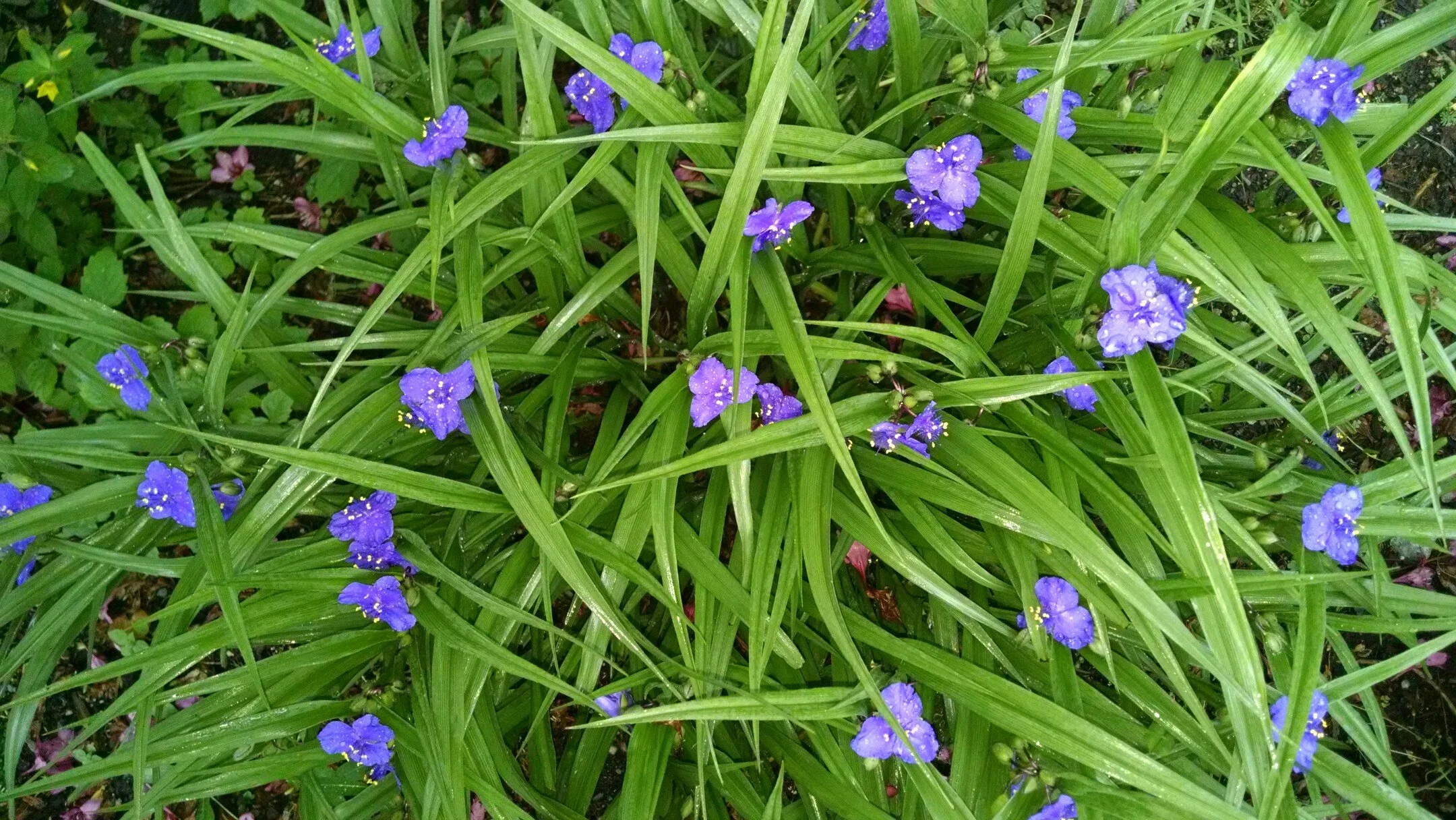
I actually have three worts in my gardens: spiderwort (pictured above), lungwort, and starwort (aka, aster).
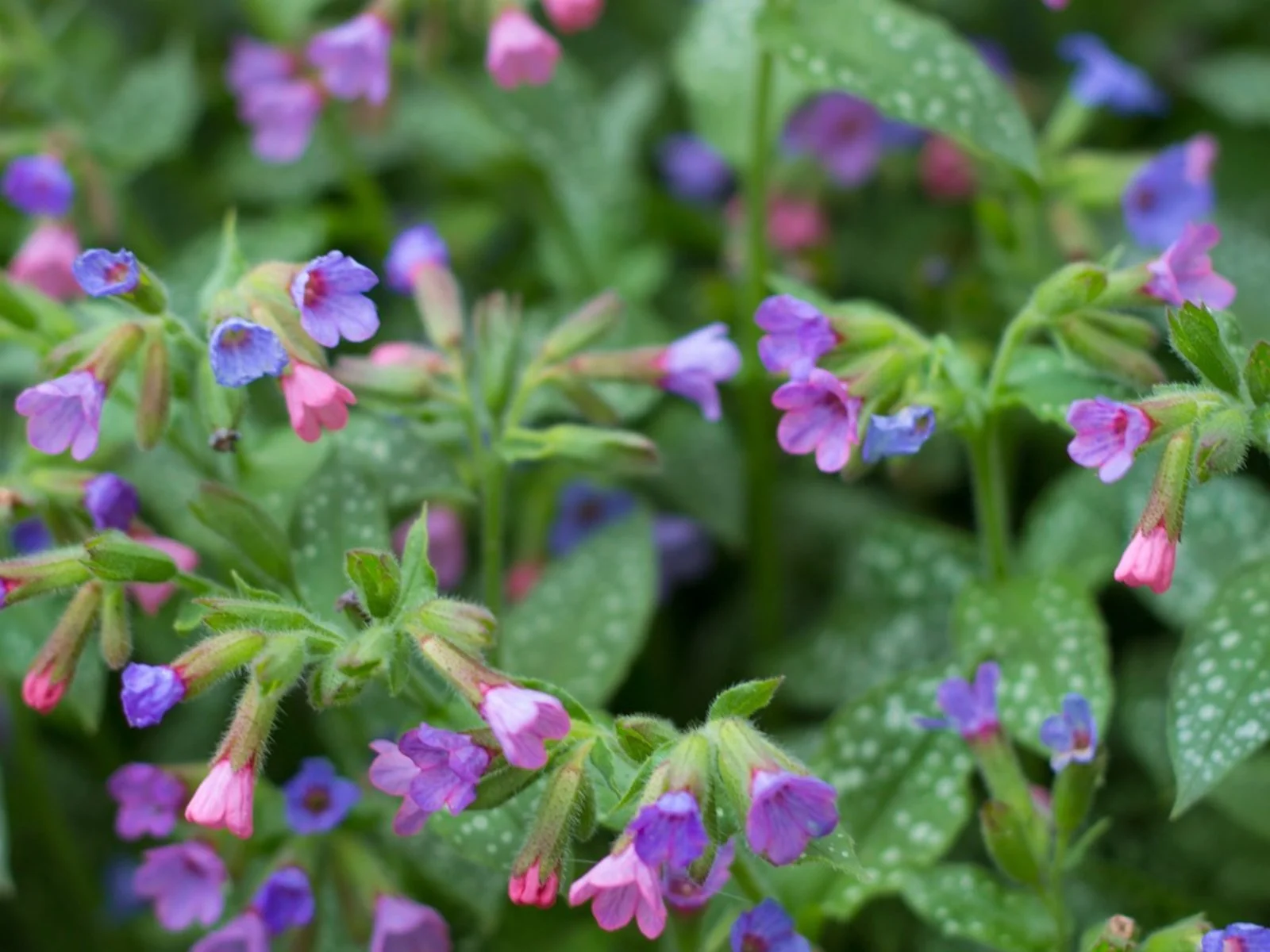
Lungwort (spring bloomer)
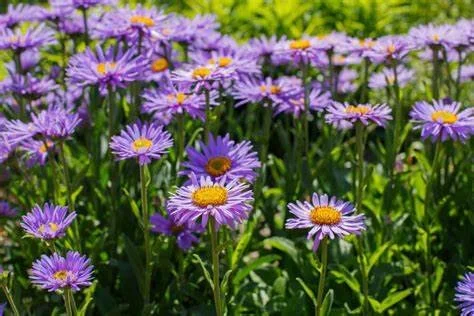
Starwort (late summer bloomer)
The opposite of wort is weed, and I have a knack for cultivating them too—ragweed, milkweed, knotweed. (My neighbor says that every time I pull weeds, I’m just creating more weeds.)
Early botanists claimed that dozens of wort plants could heal organs and other things that bother us. Here’s a partial list:
· Bloodwort
· Bladderwort (need some of that at my age)
· Lustwort
· Sleepwort (a kind of lettuce, and I sure could use some on my late-night sandwich)
· Madderwort
· Woundwort
· Sinusheadachewort (naw, but don’t I wish!)
I don’t have any proof that plantologists (my word, not Webster’s) were right about wort flowers, but here’s what I do know:
Like plants, humans are not always exactly as they appear at first glance. Dig a bit deeper and you’ll find pain, patience, disappointment, kindness, wisdom, and even the ability to help others heal.
We’re like a garden full of worts. We just have to keep the weeds away.
“My garden is my most beautiful masterpiece.”—Claude Monet
P.S. My new novel, Tattooed Woman at the Well, has a neat twist about the jewel in my own gardens: irises. My novel’s heroine, a female truck driver named Bleu, cultivates irises on the rooftop of her high-rise apartment in Jersey City, all in remembrance of her grandfather. In fact, irises appear in all my stories. Someday, I’ll tell you why.
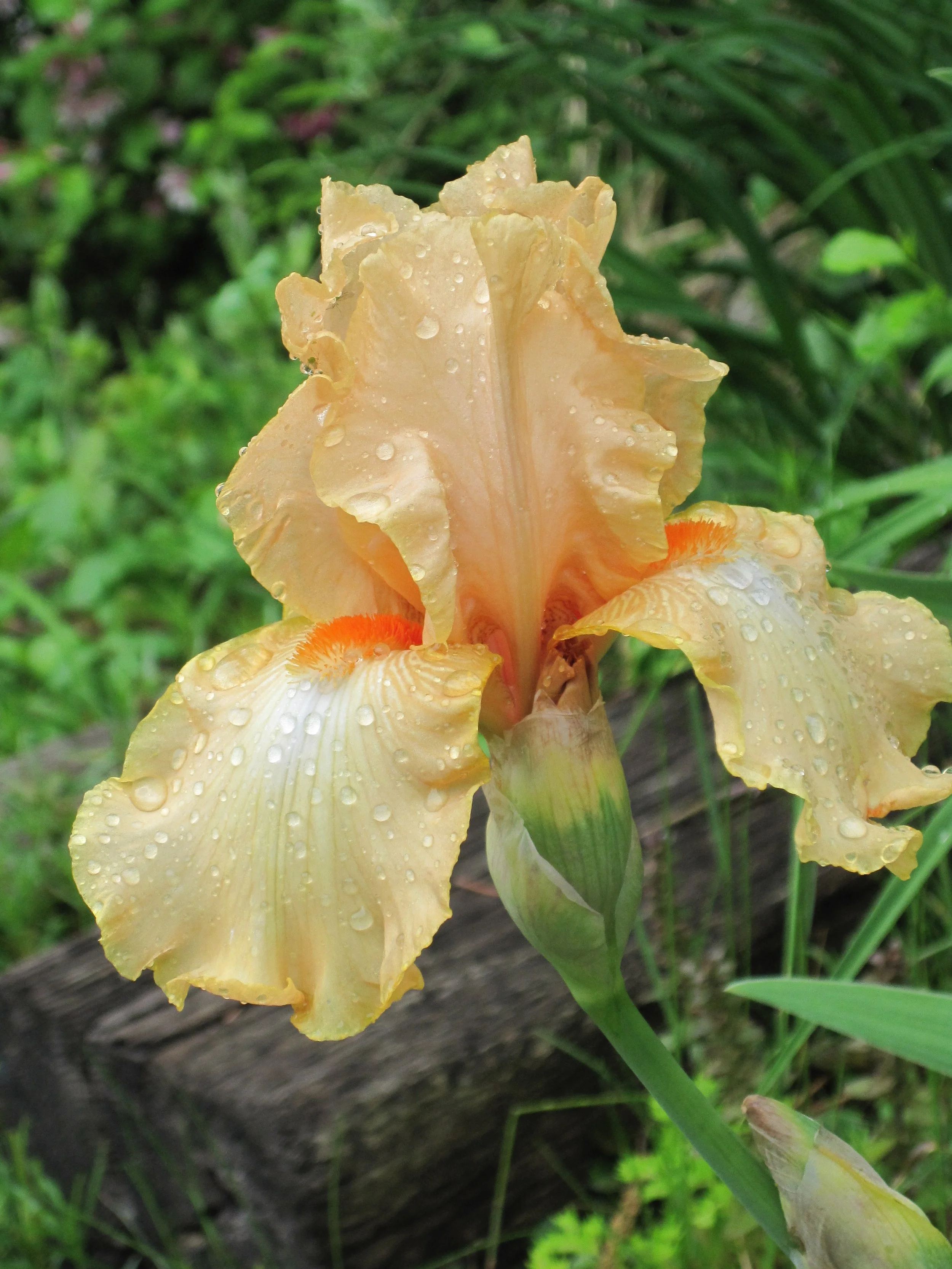
A lovely lady in my gardens